.png)
Latest Amarnath Yatra Update for July 2026

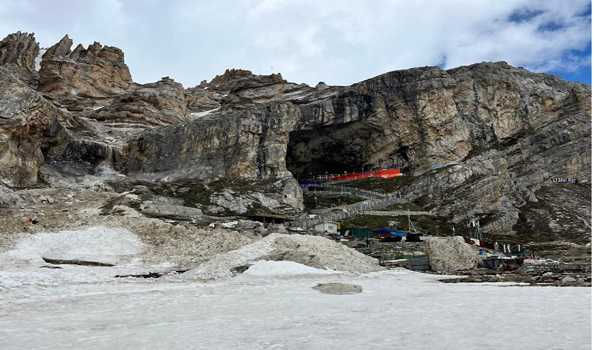
The Amarnath Yatra is one of the most significant spiritual journeys for devotees of Lord Shiva. Latest Amarnath Yatra Update for July 2026 Every year, thousands of pilgrims embark on this challenging trek to the sacred Amarnath cave in Jammu and Kashmir. As of July 6, 2026, the yatra is in full swing, and this update will provide you with the latest information on the route conditions, safety measures, weather, and other essential details to help you plan or understand the current status of the pilgrimage.

Current Status of the Amarnath Yatra
The yatra began smoothly this season, with authorities reporting steady footfall since the opening date. As of July 6, 2026, over 25,000 pilgrims have completed the trek safely. The pilgrimage is expected to continue until mid-August, weather permitting.
The government and local administration have put in place strict protocols to ensure the safety and well-being of the pilgrims. These include health checks, crowd management, and continuous monitoring of the weather and terrain.
Amarnath Yatra Update for July 2026 Weather Conditions and Impact on the Trek
Weather plays a crucial role in the success and safety of the Amarnath Yatra. This year, the region has experienced moderate rainfall in early June, which has helped maintain the natural water sources along the route. However, the temperatures remain low, especially at higher altitudes near the cave.
As of July 6, the weather forecast predicts clear skies for the next week, which is favorable for the pilgrims. The temperature during the day ranges between 10°C to 18°C, while nights can drop close to freezing near the cave. Pilgrims are advised to carry warm clothing and rain gear to prepare for sudden weather changes.
Route Conditions and Accessibility
The traditional routes to the Amarnath cave are the Baltal route and the Pahalgam route. Both have been maintained well this year, with regular clearing of debris and snow patches by the authorities.
Baltal Route: This is the shorter but steeper path, preferred by those who want a quicker ascent. As of July 6, the trail is open and accessible, with adequate resting points and medical aid stations.
Pahalgam Route: This longer route is less steep and offers more scenic views. It remains open and well-managed, with facilities for pony rides and porter services.
Road connectivity to the base camps at Baltal and Pahalgam is intact, with regular shuttle services operating from Srinagar and Anantnag.
Health and Safety Measures
The health and safety of pilgrims remain a top priority. Medical teams are stationed at various points along the route, equipped to handle altitude sickness, dehydration, and other common ailments.
Mandatory health screenings are conducted before the start of the trek.
Ambulance services are available for emergencies.
COVID-19 protocols, including mask mandates and social distancing, continue to be enforced in crowded areas.
Pilgrims are encouraged to stay hydrated and avoid overexertion.
Accommodation and Facilities
Temporary camps and accommodation facilities have been set up at key points along the route. These include tents, rest houses, and community kitchens offering free meals to pilgrims.
Clean drinking water is available at regular intervals.
Sanitation facilities have been improved to maintain hygiene.
Volunteers and local organizations are actively supporting pilgrims with guidance and assistance.
Travel Tips for Pilgrims
If you plan to undertake the Amarnath Yatra or are following the updates for future reference, here are some practical tips:
Register in advance: Online registration is mandatory to manage the number of pilgrims and ensure safety.
Pack smart: Carry warm clothes, sturdy trekking shoes, rain protection, and basic medicines.
Stay informed: Keep track of weather updates and official announcements.
Respect local guidelines: Follow instructions from authorities and volunteers to ensure a smooth journey.
Acclimatize properly: Spend time at base camps to adjust to the altitude before ascending further.
Environmental and Cultural Significance
The Amarnath Yatra is not just a physical journey but a spiritual experience deeply rooted in Hindu mythology. The cave houses a naturally formed ice Shiva Lingam, which is believed to wax and wane with the lunar cycle.
Efforts are ongoing to preserve the fragile environment around the cave. Pilgrims are urged to avoid littering and use designated waste disposal points. The local communities also benefit economically from the yatra, which supports livelihoods through tourism and related services.
Book Cabs in Srinagar
Challenges and Precautions
Despite careful planning, the yatra faces challenges such as unpredictable weather, terrain difficulties, and the risk of overcrowding. Authorities have set limits on the number of daily pilgrims to reduce congestion.
Pilgrims should be aware of the physical demands of the trek and consult a doctor if they have pre-existing health conditions. It is also wise to travel in groups and avoid trekking alone.
The Amarnath Yatra continues to inspire devotion and resilience among thousands of pilgrims this season. Staying updated on the latest conditions and following safety guidelines will help ensure a meaningful and safe pilgrimage experience. Whether you are planning to join the yatra or simply want to stay informed, these updates provide a clear picture of what to expect as of July 6, 2026. Most of Amarnath Travelers also book Srinagar to Leh Taxi
Comments